

This Guide Makes Hazardous Area Operations Safer
Industrial explosions are devastating—yet most are preventable. The wrong explosion-proof equipment is often the culprit. How do you ensure safety in hazardous environments? This Explosion-Proof Knowledge Guide breaks down the essentials for proper equipment selection.
1. Understanding Explosion-Proof Markings
Every explosion-proof device carries critical markings, such as:
Gas Ex db ⅡC T6 Gb / Dust Ex tb ⅢC T85℃ Db
This code reveals:
Ex db = Flameproof protection (for gas environments)
ⅡC = Highest gas hazard level (hydrogen, acetylene)
T6 = Maximum surface temperature ≤ 85°C (safest rating)
ⅢC = Highest dust hazard level (conductive metals like aluminum/magnesium)
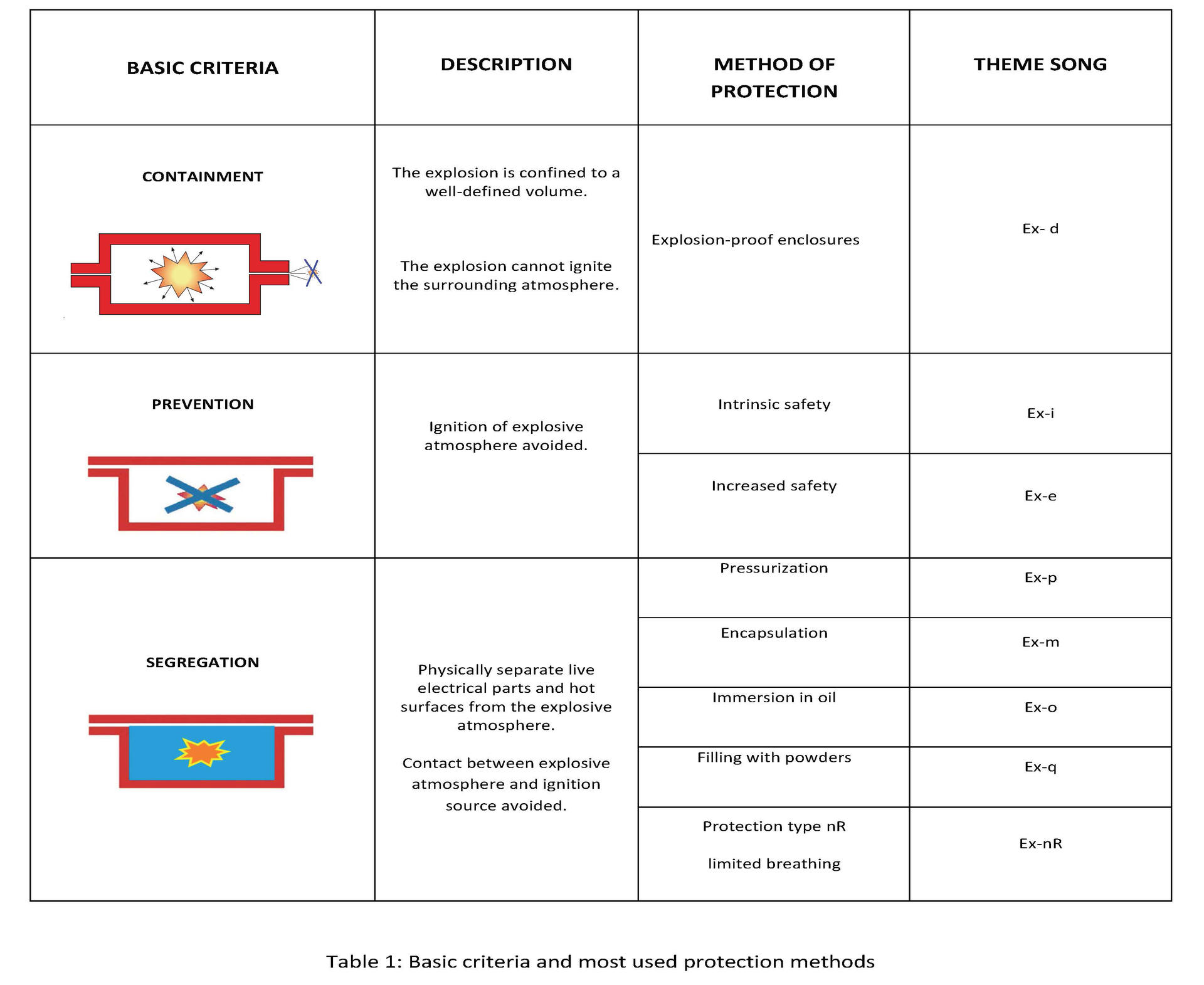
Our products meet these top-tier standards, ensuring maximum safety.
2. Mainstream Explosion-Proof Types
Type | Application | Typical Use |
Flameproof (Ex db) | Zone 1/2 (high power) | Motors, actuators, heavy equipment |
Intrinsically Safe (Ex i) | Zone 0 (low power only) | Control units, sensors |
Safety-Increasing (Ex e) | Non-sparking, medium power | Passive sensors, junction boxes |
※ Our products use Flameproof (Ex db), ideal for high-power industrial applications.
3. Equipment Classification: Gas & Dust Hazards
Gas Explosive Environments (Class II)
ⅡA (Low risk) – Propane, butane
ⅡB (Medium risk) – Ethylene, industrial gases
ⅡC (Highest risk) – Hydrogen, acetylene
Dust Explosive Environments (Class III)
ⅢA – Flammable fibers (cotton, wood)
ⅢB – Non-conductive dust (flour, coal)
ⅢC – Conductive dust (aluminum, magnesium)
※ Our equipment covers ⅡB, ⅡC (gas) and ⅢC (dust)—the most hazardous conditions.
4. Temperature Ratings: Why T6 is the Safest
Class | Max Surface Temp. | High-Risk Scenarios |
T3 | 200°C | Hydrogen-rich chemical plants |
T4 | 135°C | Oil depots, ether storage |
T5 | 100°C | Low-ignition dust environments |
T6 | 85°C | Labs, hydrogen-air mixtures |
※ Our products are T6-rated—the strictest safety standard.
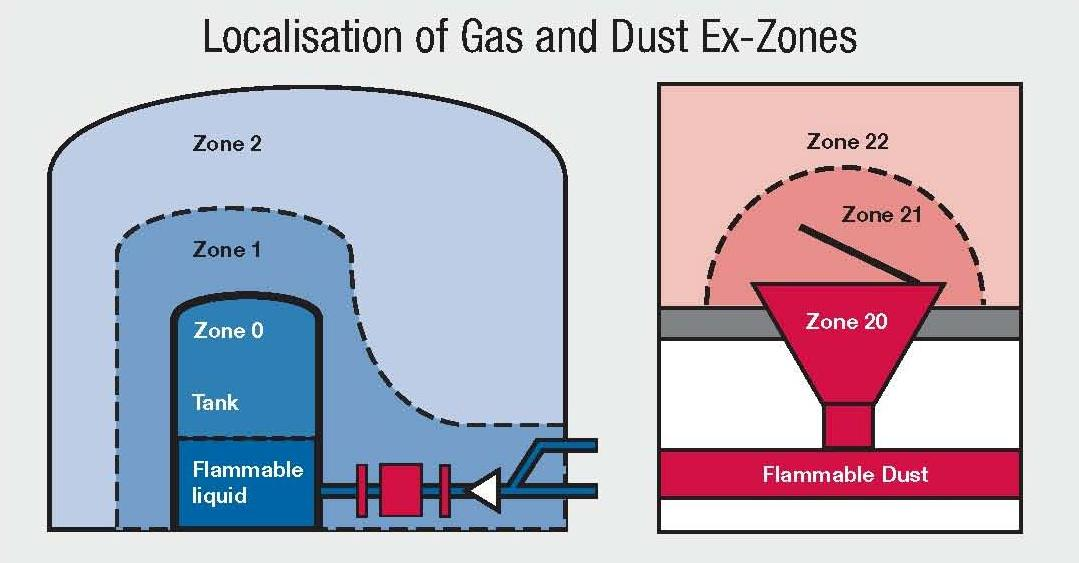
5. Hazardous Area Zoning: Where to Use Which Equipment
Gas Environments
Zone 0 – Constant explosion risk (e.g., inside fuel tanks)
Zone 1 – Occasional risk (e.g., chemical reactor areas)
Zone 2 – Rare risk (e.g., outdoor loading zones)
Dust Environments
Zone 20 – Constant dust clouds (e.g., inside silos)
Zone 21 – Occasional dust (e.g., conveyor belts)
Zone 22 – Rare dust exposure (e.g., filter leaks)
※ Our products are certified for Zone 1/2 (gas) and Zone 21/22 (dust).
Conclusion: Choose the Right Protection, Avoid Disasters
Explosions don’t happen by chance—they happen by choice of equipment.. With flameproof (Ex db) construction, ⅡC/ⅢC ratings, and T6 thermal safety, our solutions ensure compliance with the strictest global standards.
Don’t gamble with safety—upgrade to explosion-proof certainty today!

